
Industry Spotlight

Textiles

Textiles and their associated fibers are used widely materials in many industries, from clothing apparel to home decor and upholstery, to automobile interiors. While the industry continues to grow consistently year over year, driven by population growth and increasing demand, the compound annual growth of “sustainable” or “preferred materials” has been even faster. This directory contains up-to-date information on sustainable “Industry” manufacturers and suppliers, allowing users to quickly search through a variety of sustainable textile products and directly contact suppliers and manufacturers for custom capabilities. The directory also includes information on sustainable “Industry” certifications for products and processes, making it easy to identify sustainable material sources that meet evolving industry best practices and s standards. ## ## 2. Benefits of Sustainability in the Textile Industry ### A. Environmental Benefits Sustainable fabrics are made from materials that are sustainable and have a much lower environmental impact than traditional fabrics. Benefits include: - Lowering the pollution caused by synthetic fibers: Sustainable materials often as low-impact dyes, natural fibers, and sustainable production processes. - Require fewer resources: They use fewer resources and create less waste, making them a great choice for environmentally conscious consumers. - Durable: Sustainable fabrics also tend to be more durable and last longer, which means they don’t need to be replaced as often. This reduces the amount of fabric waste created by discarded clothing items. - Less water consumption: Sustainable fabrics can help reduce water consumption by using technologies such as closed-loop dyeing processes that reuse or recycle all of their water sources. - Use less chemicals during production: Sustainable fabrics typically require fewer chemicals during production compared to conventional textiles, resulting in cleaner air and waterways near manufacturing sites. ### B. Social Benefits - Health benefits: Using sustainable fabrics in textiles limits reducing both consumer and worker exposure to potentially harmful chemicals from dyes and pesticides. In addition, sustainable materials are often made from natural fibers, meaning they do not release microfibers into the environment. This improves air quality by reducing toxins and allergens in the air. Furthermore, sustainable fabrics are typically softer and more comfortable than synthetic materials, making them less likely to cause skin irritation or allergy problems. - Supporting local economies: Sustainable textiles support local economies by providing jobs for those who work in sustainable textile manufacturing. Not only does it create employment opportunities, but sustainable fabric production also provides a stable source of income for farmers and communities involved in growing the materials used to make these fabrics. Sustainable fabric production has social benefits due to its ability to promote awareness about environmental issues while reducing negative impacts on global ecosystems. By investing in sustainable fashion products consumers can help support businesses that prioritize sustainability over profits which will ultimately benefit our planet's future generations. ### C. Economic Benefits - Lower Production Costs: By using sustainable materials and processes, producers can reduce costs associated with producing fabrics. For example, sustainable fabrics such as organic cotton require significantly less water and pesticides in their production process than traditional methods, which over time can lead to amortizable cost savings. In addition, sustainable manufacturing processes reduce energy use and the amount of hazardous chemicals released into the environment, which can also help mitigate contingent liabilities held on the balance sheet as a result of an evolving regulatory landscape. - Increased Revenue Opportunities: By using sustainable fabric materials and processes, companies can open themselves up to a whole new market of consumers who are more conscious of their environmental impacts when making purchasing decisions. As years go on, an increasing number of both quantitative and qualitative studies show these consumers are willing to accept a higher markup over the cost of production to accommodate their preferences. - Improved Brand Image: Utilizing sustainable materials and processes for fabric production can provide companies with a positive brand image among environmentally conscious customers and organizations that promote sustainability initiatives. This improved public perception helps companies develop stronger relationships with customers, build reputation as an environmentally responsible company and attract new sources of investment capital or financial resources. A growing number of supply chain finance and credit products consider a sustainable score when determining firm risk profiles. ## 3. Producing Sustainable Fabric ### A. Materials & Inputs ### I. Natural fibers - Organic cotton: Organic cotton is grown without the use of harsh chemicals and pesticides. This conserves water resources and is less damaging to soil health than traditional cotton production. Organic cotton also requires fewer inputs such as synthetic fertilizers, energy for spinning and weaving processes, and other chemicals which can be damaging to the environment. - Nettle plant: Ramie is a sustainable fabric with an exceptionally low environmental impact. It is produced from nettle plants that grow in many parts of Asia without the need for irrigation or the addition of fertilizers or other toxic substances. The fiber can be spun into yarns that are naturally resistant to moths, mildew, and bacterial growth—making it an ideal choice for sustainable clothing production. - Flax Fibers: Linen is sustainable fabric made from flax fibers that require little water for cultivation. It has several benefits over traditional fabrics as well; linen doesn’t shrink or stretch when wet like cotton, it’s highly absorbent and fast-drying, making it perfect for warm weather garments. - Hemp fiber: Hemp has been used as a sustainable resource in many cultures throughout history due to its strength, durability, and anti-bacterial properties. Hemp fiber can be woven into strong textiles requiring little energy input during production processes and producing few if any byproducts that would harm the environment. - Soybean plant fiber: Soybean plant fibers are rapidly renewable resources with excellent potential as sustainable textiles due to their softness and nutritious characteristics. Soybean fibers are biodegradable with low energy requirements during processing; they are easy on machinery due to their natural lubrication capabilities; they have excellent breathability compared to other plant-based fibers; plus they can be blended with other sustainable fabrics like wool or hemp for increased comfort levels in garments or home furnishings items such as curtains or bedding sets. - Bamboo fibers: Bamboo fibers are derived from pulp cellulose harvested from bamboo forests using sustainable harvesting practices that don't damage the environment in any way shape or form; this makes them perfect candidates for use in sustainable fabrics since no additional inputs such as water or fertilizer are needed during cultivation or harvesting processes. Bamboo fabric is lightweight yet incredibly strong at the same time while also exhibiting antibacterial properties which make them ideal materials for apparel items that need frequent washing cycles like sleepwear or activewear gear sets. ### II. Synthetic fibers Recycled polyester: Recycled polyester derived from post-consumer scraps has become increasingly popular within the sustainable fashion sector due to its versatility: it can be combined with other sustainable materials like organic cotton blends; spun into yarns for weaving durable yet comfortable textiles; used in knits garments like t-shirts sweatshirts etc.; even pressed into felt pieces great for softening up furniture items without adding bulkiness–all without generating additional waste streams nor consuming excessive amounts of resources during production cycles which makes them perfectly suited when looking at more eco-friendly alternatives. ### III. Natural dyes Natural dyes sourced from plants such as indigo, madder root, onion skins, turmeric root, walnut husks, lacquer tree bark extract, etc., are commonly used instead of harsh chemical dyes that can damage both human health and the environment over time. ### B. Innovative Technologies - Sustainable dyeing is a process in which fabrics are dyed using sustainable methods that do not use harsh chemicals or toxic materials. An example of this is the highly popular "low-impact" dyes, which are naturally derived from plant sources and are much less damaging to the environment. - Sustainable weaving techniques involve using sustainable fibers such as organic cotton, bamboo, hemp and other eco-textiles. These sustainable fibers require less energy and resources to produce than traditional fabrics while offering similar qualities. Additionally, some sustainable weaving techniques can reduce waste and conserve water during production. - Water conservation is also an important part of sustainable fabric manufacturing processes. Using advanced technologies such as rainwater harvesting, water recycling systems and low-flow technology can reduce the amount of water used for production significantly. Additionally, utilizing efficient irrigation techniques can help conserve a large amount of water over time. - Energy efficiency is another area where innovative techniques can be employed in sustainable fabric manufacturing processes. The use of renewable energy sources such as solar power can reduce the amount of electricity required for production significantly. Additionally, utilizing new technologies such as LED lighting systems or advanced heating systems can help reduce energy requirements even further. ## 4. Examples of sustainable fabrics - Organic cotton: Organic cotton is grown without using any synthetic pesticides or fertilizers. Unlike conventional cotton production, organic cotton farming uses sustainable farming methods which respect the environment by minimizing the use of chemicals that are harmful to both the planet and humans. Organic cotton is highly durable and comfortable to wear while also being completely renewable and biodegradable. - Hemp: Hemp is a highly sustainable fabric due to its fast-growing capabilities and low resource requirements. It can be grown without fertilizer or pesticides, reducing environmental degradation caused by conventional crop production practices. Hemp also requires less water than other crops and has a low impact on soil health because it fixes nitrogen into the ground as it grows. Hemp fabric is soft yet strong making it an ideal choice for clothing applications as well as furniture upholstery and other home decor items. - Bamboo: Bamboo is another sustainable fabric option that offers many benefits including rapidly growing capabilities; it takes just three years for bamboo to reach full maturity compared with twenty-five years for trees! Bamboo requires little irrigation or care when cultivated traditionally; therefore, no synthetic pesticides or fertilizers are required in its production process. This makes it a great sustainable option when looking for fabrics that don’t release wastes into the environment during cultivation process. Bamboo fabric is also lightweight yet strong — perfect for bedding or apparel — and has a luxurious feel to it like silk but without all the negative environmental impacts associated with silk production. - Manmade Cellulosic Fibers: Manmade Cellulosic Fibers fabric is a sustainable and eco-friendly textile produced from plant sources like bamboo, hemp, or wood pulp. This versatile material has many characteristics that make it attractive for not just fashion apparel but also home goods, furniture, and other uses. It offers superior performance qualities such as wrinkle resistance, softness, breathability, and sustainability which makes. - Recycled polyester: Recycled polyester represents yet another sustainable fabric option since it doesn't require additional resources to be produced like other fabrics do - instead recycled polyester fibers are collected from post-consumer products such as plastic bottles before being converted into yarns used in fashion items like jackets or sweaters. Recycled polyester feels soft against skin while being resilient enough to withstand frequent washing cycles making them ideal for activewear apparel pieces where flexibility is key! ## 5. Sustainable Textile Standards - FAIRTRADE INTERNATIONAL - SOIL ASSOCIATION - GLOBAL ORGANIC TEXTILE STANDARD - OEKO-TEX(R) - REPREVE - ACO CERTIFICATION LTD - NATURLAND - FAIR TRADE USA - ICEA - COTTON USA™

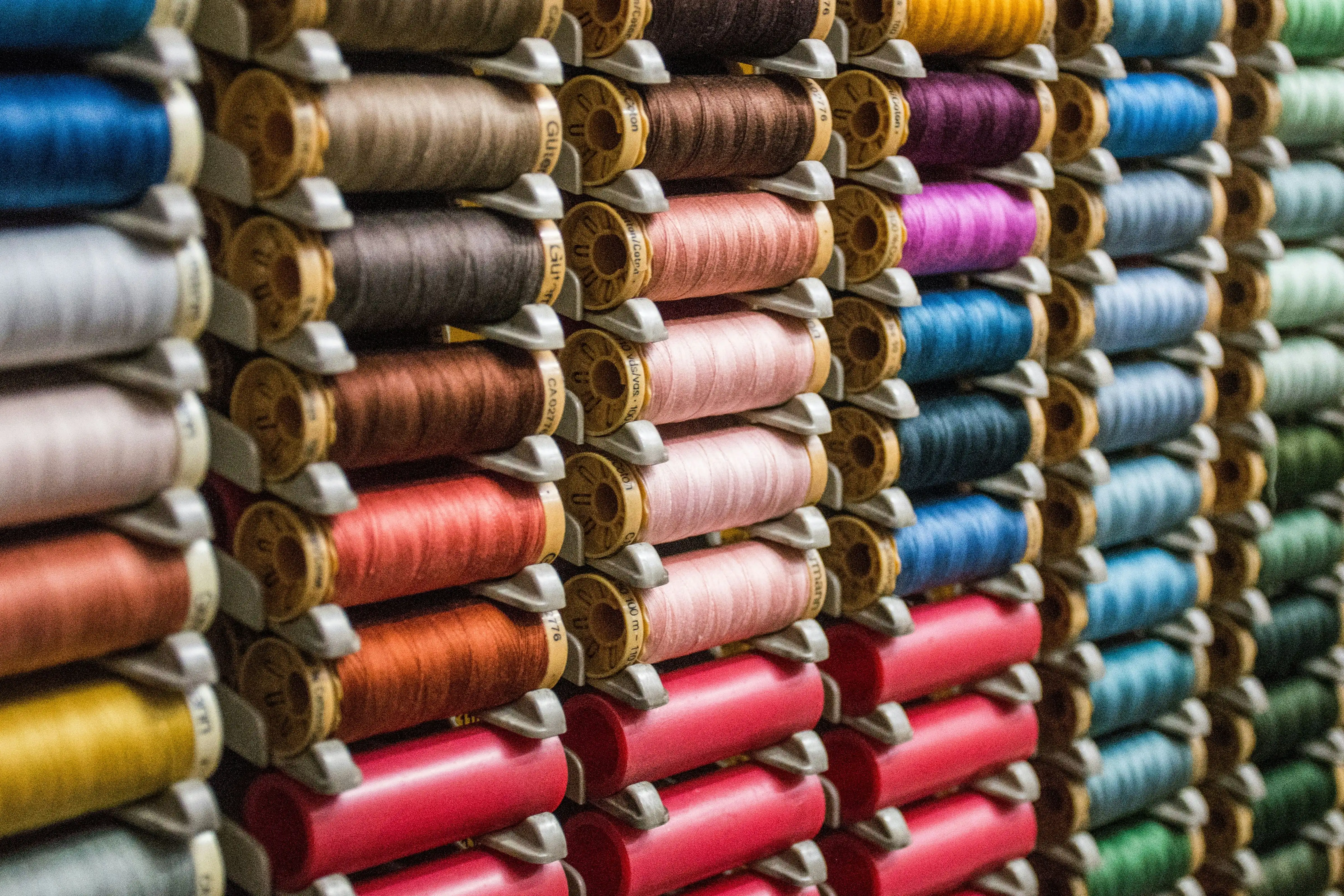
Textiles industry visual

Adjust filters with a prompt

Describe geography, standards, or products to reload this industry with fresh filters.

6,529 Companies

Claimed Company
Arnia - Societa' Cooperativa Sociale Made In Italy

🇮🇹Italy

ARNIA - SOCIETA' COOPERATIVA SOCIALE MADE IN ITALY is a prominent company based in Italy, specializing in social cooperative services. With a strong focus on community welfare and social impact, ARNIA aims to provide essential support and services to individuals in need. The company is known for its dedication to promoting social inclusion and enhancing the quality of life for vulnerable populations in Italy.

ARNIA offers a wide range of social services, including assistance for the elderly, support for individuals with disabilities, and community outreach programs. Their commitment to fostering a more inclusive society sets them apart in the social cooperative sector. By offering personalized care and tailored solutions, ARNIA strives to make a meaningful difference in the lives of those they serve.

The company's mission is to create a more compassionate and supportive society where everyone has access to the resources they need to thrive. Through their innovative programs and collaborative approach, ARNIA is able to address the unique challenges faced by marginalized communities. Their services not only meet the immediate needs of their clients but also empower them to lead more fulfilling and independent lives.

ARNIA's dedication to social responsibility and community engagement makes them a trusted partner for individuals, families, and organizations seeking compassionate and effective support services. Their commitment to excellence and integrity ensures that they deliver high-quality care and assistance to those who need it most. ARNIA - SOCIETA' COOPERATIVA SOCIALE MADE IN ITALY is truly a beacon of hope and support in the Italian social cooperative landscape.

Claimed Company
GSL
GSL

🇲🇽Mexico

History
GSL is a leading company in the production of premium denim fabrics with an established history of more than 150 years of textile heritage and craftsmanship tradition.

The company’s beginnings date from 1846 when the company was first founded in Spain, and then expanded its operations to the Western Hemisphere, finding in Mexico its new home. GSL is owned by Grupo Siete Leguas, a renowned Mexican group that produces jeans to the most select brands and retailers in the US Market.

Mission
To offer denim products of the highest quality and innovation, which allows us to increase our participation in the market, quickly adapting to changes in fashion, training and empowering our employees, constantly renewing our technology, and effectively managing our quality systems.

Vision
To be recognized in America’s denim market, as leaders in innovation and quality, always seeking profitability for our shareholders, respecting the environment and the community where we operate.

Quality efforts
Our highest priority is to produce quality products and added value solutions for our customers. We’ve built a robust business model capable of offering a wide array of products to our customers with the peace of mind that these are produced responsibly and with the highest standards, minimizing its environmental impact and improving the life of our employees, their families, and our community. We understand the key role of technology in our operation and focus our research efforts to find the newest equipment and to empower our associates to incorporate best in class industry practices to exceed our customer’s expectations.

Sustainability
Our sustainability efforts start by producing quality products that can hold their value over time, products that are durable and provide ever lasting value for our customers. We aim to do this in the most responsible way, pioneering sustainable manufacturing processes and using the cleanest and safest raw materials and supplies in our processes.

When it comes to sustainability, the conversation gravitates not only about what can be said about a determined process, but on what can be measured and certified. GSL is a proud member of the Better Cotton Initiative (BCI), Cotton LEADS, licensee of Cotton USA and the U.S. Cotton Trust Protocol. 10% of the cotton content that is used on our fabrics is reclaimed from our internal process. 70% of our factory is powered by wind. 100% of the indigo that is used in our process is Bluesign® certified liquid indigo, which is the cleanest and most sustainable indigo available in the market, which significantly reduces the amount of chemicals used in the manufacturing process, and at our wastewater facilities.

GSL has also invested on advanced finishing technology (Eco-Finish) that allows our finishing process to save 85% of the water used in this process, compared to conventional textile finishing process. Regarding product, we have developed the technology that allows for our fabrics to be more sensitive to be processed with laser (LSD Fabrics).

These products can achieve higher levels of contrast and allows indigo to be removed from the fabric using less energy. In addition, one of the most important contributions of this technology is the elimination of harsh chemicals from the wet processing, such as potassium permanganate, resulting in a cleaner process and a healthier work environment.

Claimed Company
Tandhan Cotton Mills

🇮🇳India

Tandhan Cotton Mills Private Limited is a renowned company based in India, specializing in dyeing, finishing, weaving, and processing of fabrics. With a focus on quality and innovation, they offer a range of products including dyed fabrics, denim fabrics, and organic cotton. Their services cater to a diverse clientele in the textile industry, providing certified products that meet the highest standards.

The company's mission is to deliver sustainable and eco-friendly textile solutions to their customers, ensuring that their products are not only of premium quality but also environmentally conscious. Tandhan Cotton Mills Private Limited is known for their expertise in fabric production, with a strong emphasis on using organic materials and ethical practices in their manufacturing processes.

Their commitment to excellence and customer satisfaction sets them apart in the industry, as they continuously strive to meet the needs of their clients while upholding the values of integrity and transparency. Tandhan Cotton Mills Private Limited's offerings are designed to address the growing demand for sustainable textiles, providing a solution for businesses and individuals looking for environmentally friendly fabric options.

Overall, Tandhan Cotton Mills Private Limited stands out as a leading player in the textile sector, offering a wide range of certified fabric products that not only meet industry standards but also contribute to a more sustainable future. Their dedication to quality, innovation, and environmental responsibility positions them as a trusted partner for businesses and consumers alike.

Claimed Company
Georgios Ioakimidis -Textiles

🇬🇷Greece

GEORGIOS IOAKIMIDIS SA-TEXTILES is a prominent company based in Greece specializing in textile manufacturing. With a strong focus on quality and innovation, the company is known for providing a wide range of textile products to both domestic and international markets. Their product line includes fabrics for apparel, home textiles, and industrial applications, showcasing their expertise in meeting diverse customer needs.

The company's mission is to deliver premium quality textiles that meet the highest industry standards while staying at the forefront of textile innovation. GEORGIOS IOAKIMIDIS SA-TEXTILES prides itself on its commitment to sustainability and ethical practices in the textile industry, ensuring that their products are not only of superior quality but also environmentally friendly.

One of the key strengths of GEORGIOS IOAKIMIDIS SA-TEXTILES lies in their ability to provide customized textile solutions to their clients, catering to specific requirements and preferences. Whether it's designing unique fabric patterns or developing specialized textile blends, the company excels in delivering tailored solutions that meet the needs of their target audience.

Through their diverse range of textile products, GEORGIOS IOAKIMIDIS SA-TEXTILES aims to offer solutions that enhance the functionality and aesthetics of various end products. From fashion designers seeking high-quality fabrics to industrial manufacturers in need of durable materials, the company's offerings are designed to address specific challenges and add value to their customers' businesses.

Claimed Company
Afroze Textile Industries

🇵🇰Pakistan

Afroze Textile Industries is a leading company based in PK specializing in textile manufacturing. With a strong focus on quality and innovation, Afroze Textile Industries is known for providing a wide range of textile products to both local and international markets. Their product line includes fabrics, garments, and home textiles, all crafted with precision and attention to detail.

The company's mission is to be a trusted provider of high-quality textile products that meet the diverse needs of their customers. Afroze Textile Industries prides itself on its state-of-the-art manufacturing facilities and skilled workforce, ensuring that every product meets the highest standards of excellence.

One of the key strengths of Afroze Textile Industries is its ability to offer customized solutions to clients, catering to specific requirements and preferences. Whether it's designing unique fabric patterns or producing tailored garments, the company excels in delivering personalized services that set them apart in the industry.

Afroze Textile Industries' products are designed to not only meet market demands but also to exceed customer expectations. By offering a wide range of textile solutions, the company aims to provide comfort, style, and durability to individuals and businesses alike. Their commitment to quality and customer satisfaction drives their vision of becoming a global leader in the textile industry.

Claimed Company
Teejay India
Teejay India

🇮🇳India

Teejay India Limited is a prominent player in the textile manufacturing industry, recognized for its specialization in knitwear production. Established with a strong foothold in the Indian market, Teejay India has expanded its presence globally, catering to leading brands and retailers worldwide.

The company excels in the manufacturing of knitted fabrics and garments, leveraging state-of-the-art technology and innovative processes to ensure high quality and efficiency. Teejay India's product range includes a variety of knitwear such as t-shirts, polos, sweatshirts, and more, tailored to meet the diverse needs of its global clientele.

In addition to its manufacturing capabilities, Teejay India emphasizes sustainability and ethical practices in its operations. The company adheres to stringent environmental standards and invests in sustainable practices throughout its supply chain, aiming to minimize its ecological footprint.

Teejay India's commitment to excellence extends beyond production; it fosters a culture of continuous improvement and customer satisfaction. Through robust quality control measures and a dedicated workforce, Teejay India maintains its reputation as a reliable partner for brands seeking high-quality knitwear solutions.

Overall, Teejay India Limited stands out for its strong manufacturing expertise, global reach, commitment to sustainability, and dedication to delivering superior knitwear products to its diverse customer base worldwide.

Claimed Company
INDUSTRIAS FATELARES SAS

🇨🇴Colombia

We are one of the main producers of towels in Colombia and the first producer of hammocks for export. We offer a wide portfolio of home clothing that includes: bedspreads, pillows, bathrobes, bedding sets, blankets, tablecloths, among others. With 80 years of permanence in the national market and presence in the international market, we have extensive experience in the manufacture of textile products for the home and institutional use, mainly towels made from a variety of textile fibers, with cotton as the main input.
We attend major fashion events around the world to offer our clients the latest trends in home furnishings. A perfect mix between design and quality.

Unlock complete access

Log in to explore the full Industry Intelligence

Members can view company-level metrics, sustainability benchmarks, and collaboration signals. Sign up or log in to remove the blur and power your sourcing decisions.