|
|
The Columbia River at Bradwood Landing.
Natural selection by Matt Krogh - 11.24.08
Residents of Clatsop County, Ore., are battling potentially huge changes to how the Northwest imports, generates and uses energy. On Sept. 16, 2008, Clatsop voters passed a referendum to ban a proposed gas pipeline that would cross designated open space. The 36-mile-long pipeline would serve a planned liquefied natural gas (LNG) import terminal on the Columbia River west of Portland at Bradwood Landing, and would allow internationally shipped LNG to enter existing natural gas pipelines in the Western states. Many residents along the pipeline’s path say they fear the threat of eminent domain claims that could forcibly take rights-of-way for a commercial structure they say they don’t even need.
Yet on Sept. 18, 2008, just two days after the referendum was passed, the Federal Energy Regulatory Commission (FERC) conditionally approved the siting of Texas-based NorthernStar Energy’s proposed LNG plant at Bradwood Landing—the very project the Clatsop referendum was designed to stop. FERC’s decision created an uproar in Oregon, with groups as diverse as Columbia Riverkeeper, Washington Department of Ecology and the state of Oregon filing protests against FERC’s decision during the 30-day review period.
Like other controversial energy plants—whether nuclear, coal, wind or others—the proposed LNG plant at Bradwood Landing has created tension between two distinct groups: government and citizen groups concerned about the LNG terminal’s possible impacts on gas prices, renewable energy development and the local environment; and FERC, pipeline companies, gas companies and utilities claiming they are trying to diversify gas supplies by opening the West Coast’s first LNG terminal.
While many experts claim that natural gas is a crucial bridge fuel in the development of renewable power—especially wind—many fear that opening domestic gas markets to international LNG could create more problems than it solves.
Making way for renewables Recent interest in increasing the number of LNG terminals in the United States has been based on the assumption that imported natural gas would be needed to meet increased U.S. natural gas demand. But the Northwest and the United States as a whole have little demand for LNG imports—which are sold in a global market at consistently higher prices than domestic gas— according to the Oregon Department of Energy.
Early 2008 predictions of increasing gas prices and dwindling domestic supplies were proven false in July 2008, when Navigant Consulting and the Clean Skies Foundation announced new technology to access natural gas in tight sands, coal beds and shale. The announcement pushed reserve estimates to as high as 118 years at current rates of consumption, with the Northwest located in a sweet spot where gas pipelines from Canada and the Rockies converge.
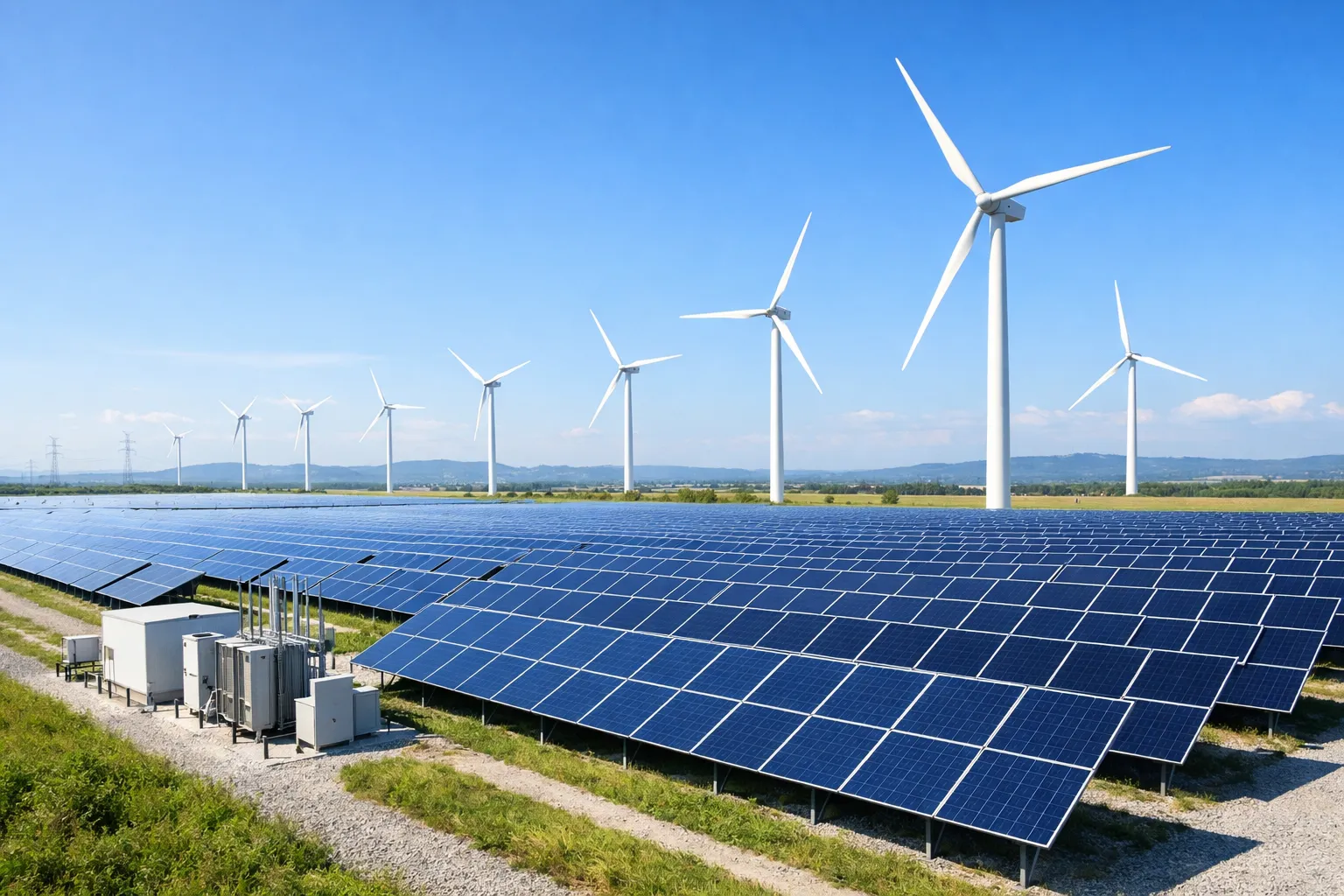
As it is structured today, the Northwest’s energy grid depends on a stable supply of around 35,000 megawatts (MW) at times of peak demand. Most of the base capacity is provided by coal and hydro, with gas and nuclear also contributing to the regional energy supply. Of the other renewables—solar, wind and geothermal—wind is currently being installed most rapidly, and has the biggest need for moderation using gas power generation. Through 2008, the areas served by Bonneville Power Administration (BPA) are expected to have 2,000 MW of installed wind capacity, with another 2,000 MW anticipated by the end of 2009.
“Natural gas is a necessary bridge to help integrate as much wind as possible into our transmission system,” says Robert Kahn of the Northwest and Intermountain Power Producers Coalition. “Without it, we’ll probably find ourselves using wind less.”
While the Northwest’s current electricity grid can handle up to 6,000 MW of new wind capacity, according to the Northwest Power and Conservation Council’s (NWPCC) Wind Integration Study, which was released in March 2007, wind’s impact on the region’s grid still concerns some experts.
Wind can ramp up from very little to very high generation in minutes. During periods of sudden wind, using the influx of new power requires other generation to adjust downward. Coal-fired and nuclear power plants can’t adjust their output fast enough to cope with the influx of wind; gas turbines, on the other hand, can, says Professor Philip Malte of the University of Washington.
Hydro’s ability to firm up wind power in the region is often argued. “Everybody with a hydro generator can’t simply ramp up hydro quickly, because it washes out salmon [spawning sites],” says Kurt Conger, a consultant with Energy Expert Services Inc. in Sammamish, Wash. “Some times of year it’s OK, but generally it’s a bad assumption that hydro can regulate for wind.” Conger also explains that spilling water over the dam to quickly reduce power generation will degrade water quality by increasing nitrogen concentrations.
But not everyone agrees that increased natural gas usage is the best way to firm up wind in the grid. “In a few years we may be pushing 6,000 [MW]…then we need to look at options other than using the hydro system to manage,” says Jeff King, a NWPCC senior resource analyst. “We may have to use storage facilities or peaking plants.”
Others are counting on solar resources to meet peak and intermediate loads when the sun is out, rather than burning gas in the fleet of combustion turbines that the Northwest currently has. With increasing constraints on carbon emissions, Chris Robertson, an energy consultant from Portland, says he believes that utilities that develop new gas generation capacity will soon be left with stranded assets in the form of turbines that go unused.
LNG vs. domestic natural gas If natural gas were chosen as the best bridge fuel to support increased wind capacity, the source of that natural gas—domestic pipeline gas versus imported LNG—would have drastically different effects, both economically and environmentally.
The process of creating LNG by refrigerating natural gas to -260 degrees Fahrenheit, then shipping it to terminals around the world creates a carbon footprint substantially larger than that of domestic natural gas, although less than current coal technologies. Moving the LNG by ship and then into pipelines will also have direct impacts. For instance, ships visiting Bradwood Landing will threaten salmon and their habitat by uptake of vast amounts of ballast water, wake stranding, dredging and shoreline erosion, according to Brent Foster, executive director of Columbia Riverkeeper, a nonprofit working to educate and mobilize citizens in Clatsop County around the proposed Bradford Landing LNG terminal. The project would demand construction of a new pipeline with a new route across farmland, vineyards, open space and rivers.
While LNG must be shipped to U.S. terminals, domestic gas can be efficiently transferred through existing pipelines, or through new pipelines in existing corridors. Even so, domestic natural gas also has negative environmental impacts. Increases in pipeline capacity—three more pipelines from the Rockies to the north-south trunk pipeline in Oregon are in the works—correlate with more wells being drilled.
Further concerns about horizontal drilling and fracturing (known as “fracking”) derive from real fears of groundwater contamination. At press time, the state of New York is contemplating a bill that would ban fracking in areas with aquifers used for drinking water.
Domestic natural gas definitely wins on price, with recent LNG prices in the international Pacific market around $20 per MMBtu, while the Energy Information Agency shows domestic gas prices declining from around $13 per MMBtu in June 2008 to near $6 per MMBtu in October.
LNG beyond the Northwest A few dozen proposed U.S. LNG terminal projects surfaced in the past few years—at a time when domestic natural gas supplies seemed to be in decline and prices were expected rise. LNG import projects that were successfully built—such as Cheniere’s Freeport and Sabine Pass terminals in Texas and Louisiana—have struggled economically, and have started applying for export licenses. Even so, LNG investors contend that U.S. energy costs will increase enough to justify today’s construction of new LNG terminals.
In California, resistance to LNG terminals—primarily due to fear of explosions—has prevented construction of four terminals in the state and one in Mexico. But there has been an unintended consequence. “California and other states’ success at resisting LNG plants prompted the LNG industry to lobby Congress for FERC siting authority, which was included in the Energy Policy Act of 2005,” says Rory Cox, California program director of Pacific Environment. “Now Oregon is struggling with the impacts of that legislation and FERC’s decisions.” There are three additional California LNG proposals pending, all of them offshore, according to Cox.
How could LNG imports impact the development of renewables? “It all comes back to, How expensive are the new sources of energy versus the old?” says Professor Tim Duy, director of the Oregon Economic Forum at the University of Oregon. “That’s always been the challenge of weaning people from carbon-based fossil fuels.”
According to the Oregon Department of Energy’s LNG and natural gas review, the global price of oil would need to stay below $60 per barrel—well below OPEC’s target barrel price of $70 to $90 per barrel—for the price of Pacific Basin LNG to approach the price of North American natural gas. So where is the impetus to permit and build Bradwood Landing coming from? “What’s really going on is an effort to open our natural gas supplies, as well as our utility ratepayers, to the world LNG trade, which would most likely spike our natural gas prices,” Cox theorizes. Higher gas prices are a clear benefit to domestic gas producers—but not to consumers.
As Chris Robertson says, “The argument shouldn’t be how can we get more gas, but how can we use the gas that we have in its highest and best use.”
Like this article? Subscribe to Sustainable Industries magazine.
© Sustainable Media Inc. All rights reserved. Permission is required for reproduction in whole or in part. For high-quality reprints of articles, contact FosteReprints at 866-879-9144 or via email: sales@FosteReprints.com
|
|
|
|